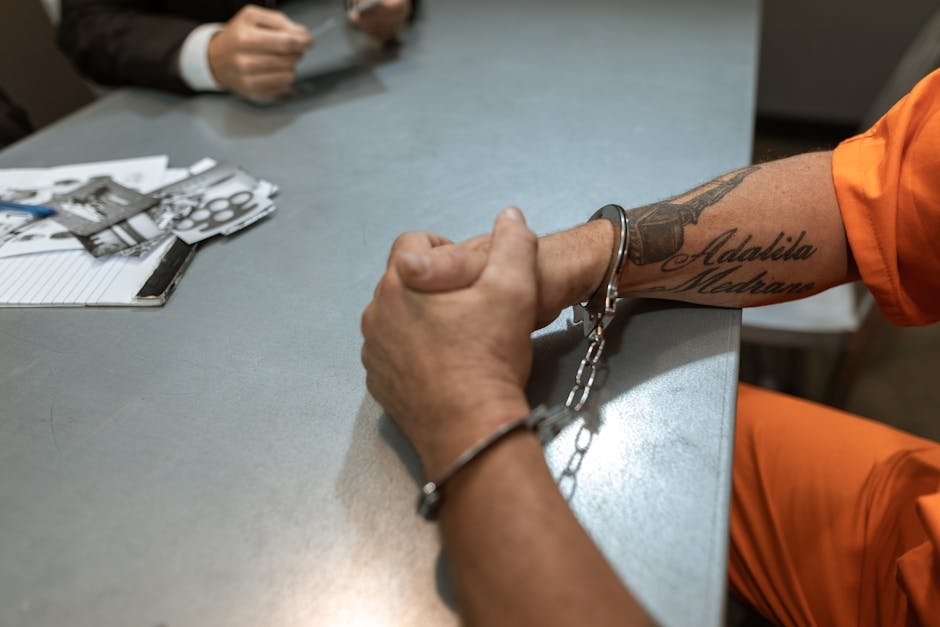


A drug charge lawyer can help you understand your options from the moment police question you or file a case. Many people feel scared, confused, and unsure what to say after an arrest or investigation. This article explains your rights, the early steps that matter, and how legal help may affect the outcome.
Key Takeaways
- Stay silent until you speak with a lawyer.
- Early legal advice can protect your case.
- Police must respect search and arrest rules.
- Drug charges can bring long-term consequences.
- Deadlines matter after an arrest.
What should you do right after a drug arrest?
Stay calm, use your right to remain silent, and ask for a lawyer right away. Do not explain, argue, or consent to extra searches. Early choices can shape the rest of your case, including bail, charging decisions, and possible defenses. This is directly relevant to drug charge lawyer.
Police may ask questions that seem casual, but your answers can still appear in court. Give your name and basic identifying information if required, then clearly say you want an attorney before any further discussion. For anyone researching drug charge lawyer, this point is key.
You should also avoid talking about the arrest with friends, family, or on social media. Those statements may be used against you later, even if you thought they were private. Civil Vs. Criminal Law: What’s The Difference?
Why the first hours matter
The first stage often sets the tone for what comes next. A quick request for counsel may help prevent harmful statements and protect important legal issues for review. This applies to drug charge lawyer in particular.
According to the Bureau of Labor Statistics, legal occupations had a median annual wage of $99,220 in May 2024, which reflects the specialized nature of legal guidance in serious cases. Source: bls.gov.
When should you call a drug charge lawyer?
You should call a drug charge lawyer as soon as you learn you are under investigation, arrested, or asked to come in for questioning. Waiting can make your defense harder. Early legal help may protect your rights and reduce avoidable mistakes.
Many people think they should wait until formal charges appear in court. That can be a costly error because investigators may already be gathering texts, search results, witness statements, and lab reports before your first hearing. Those looking into drug charge lawyer will find this useful.
A lawyer can review whether officers had legal grounds for a stop, search, or seizure. Your attorney can also speak on your behalf, work on release conditions, and begin building a defense strategy from day one. This is a critical factor for drug charge lawyer.
Timing can change your options
The sooner you get advice, the more room you may have to challenge weak evidence. In some cases, early action helps preserve surveillance footage, phone records, or witness accounts before they disappear. It matters greatly when considering drug charge lawyer.
The National Institutes of Health notes that drug misuse remains a major public health issue across the United States, which helps explain why law enforcement and prosecutors treat these cases seriously. Source: nih.gov.
What rights do you have in a drug case?
You have the right to remain silent, the right to a lawyer, and the right to challenge unlawful searches or seizures. You also have the right to know the charges against you. A drug charge lawyer can help you use those rights effectively in court.
The Fourth Amendment protects people from unreasonable searches and seizures. If police searched your car, home, bag, or phone without proper legal grounds, your attorney may ask the court to suppress that evidence. This is especially true for drug charge lawyer.
You also have the right to due process and a fair trial. That includes the chance to review the evidence, question witnesses, and challenge the prosecution’s version of events with your own facts and legal arguments. The same holds for drug charge lawyer.
Your rights need action
Rights do not protect you fully unless you assert them clearly and early. Saying you want a lawyer and refusing consent to a search can become important facts later in the case.
According to the Centers for Disease Control and Prevention, drug overdose deaths remain a major issue in the United States, which keeps drug enforcement a high priority for many agencies. Source: cdc.gov.
Can a drug charge lawyer get my case dismissed?
Yes, a drug charge lawyer may get charges reduced or dismissed when police violated your rights, mishandled evidence, or lacked proof. Dismissal depends on the facts, the stop, the search, lab testing, and whether prosecutors can actually connect you to the drugs.
Your lawyer will look for weak points early. That includes an unlawful traffic stop, a search without valid consent, a broken chain of custody, or statements taken after officers ignored your request for counsel.
A strong defense also tests the science. If the substance was not properly weighed, stored, or analyzed, your attorney can challenge reliability and push to exclude the evidence before trial.
The Bureau of Labor Statistics reported that legal occupations had median annual wages of $99,220 in May 2024, which reflects the specialized work attorneys perform in complex criminal cases. Source: BLS legal occupations outlook.
Expert insight.
Should I talk to police if I have been arrested on a drug charge?
Usually, no. A drug charge lawyer will almost always tell you to stay calm, give basic identifying information, and clearly ask for an attorney before any questioning starts.
Police may sound informal, but anything you say can shape the case. Even a small comment about ownership, intent, or where you were going can give prosecutors details they use later in court.
You also do not have to consent to a search in many situations. A respectful refusal can matter, especially if your lawyer later argues officers lacked legal grounds, and federal health agencies continue to track the broad public impact of drug misuse through NIH research on addiction and pain. What Should I Do If I'm Arrested And Can't Afford A Lawyer?
According to the CDC, more than 105,000 people in the United States died from drug overdoses in 2023, which helps explain why drug cases receive serious attention from law enforcement. Source: CDC overdose death data.
In practice, many people think they can talk their way out of a charge, then end up giving prosecutors the timeline they needed.
What happens if this is my first drug offense?
A first arrest does not mean a minor outcome. A drug charge lawyer can often seek diversion, treatment-based options, reduced charges, or a plea that avoids the harshest long-term consequences.
Your options depend on the drug type, amount, prior record, and whether police claim intent to sell. First-time cases often leave room for negotiation, but quick action matters because deadlines can affect evidence challenges and court strategy.
You should also think beyond court. A conviction can affect jobs, licensing, student aid, housing, and benefits, which is why your attorney may focus on outcomes that protect your record where possible, especially given broader federal concern about substance risks noted in FDA drug safety information.
The Bureau of Labor Statistics reported that people with higher levels of education generally face lower unemployment rates, which shows why protecting future school and career opportunities can matter in a first offense case. Source: BLS education and unemployment chart.
Can a drug charge lawyer challenge the search, seizure, or lab testing in your case?
Yes, and this is often where strong defense work changes the direction of a case. A skilled drug charge lawyer looks past the arrest report and examines whether police had legal grounds to stop, search, detain, and seize evidence, then checks whether the prosecution can prove the substance was actually illegal through reliable lab procedures. These issues can affect suppression motions, plea leverage, and trial strategy.
Search issues usually turn on consent, probable cause, warrants, vehicle exceptions, and the scope of the officer’s actions. Your lawyer may compare body camera footage, dispatch logs, and witness statements to see if the officer exceeded legal limits or prolonged a stop without a valid reason.
Lab testing matters just as much because prosecutors must connect the seized item to a verified controlled substance. Your lawyer may review chain-of-custody records, analyst notes, calibration logs, and whether the testing method matched accepted scientific practice, especially in cases involving pills, residue, mixed substances, or suspected fentanyl analogs.
Why forensic details can change leverage
If the evidence has weak foundations, the prosecutor may reduce the charge or dismiss part of the case. The FDA warns that counterfeit pills can contain dangerous and inconsistent ingredients, which shows why precise testing and identification matter in modern drug prosecutions. See FDA information on counterfeit medicine.
A practical example helps here. If police found pills during a traffic stop after extending the stop for a dog sniff without clear legal grounds, and the lab report later used broad language without confirming dosage or composition, a drug charge lawyer may attack both the search and the testing to pressure the state into a better outcome.
As one useful data point, the CDC reports that more than 107,000 people died from drug overdoses in the United States in 2023, which has increased law enforcement attention on suspected narcotics cases and made forensic accuracy even more important. Source: CDC overdose data brief.
How does a drug charge lawyer approach federal cases differently from state cases?
Federal drug cases usually involve higher stakes, broader investigations, and stricter sentencing structures, so the defense approach often changes early. A drug charge lawyer handling a federal case may focus on indictment strategy, conspiracy allegations, electronic evidence, confidential informants, and sentencing exposure under the Federal Sentencing Guidelines, while also trying to limit relevant conduct that prosecutors use to increase penalty ranges.
State cases often move faster at the local level and may leave more room for diversion, treatment-based resolutions, or county-specific plea practices. Federal cases, by contrast, often come with grand jury investigations, multi-agency task forces, and extensive digital records such as phone extractions, package tracking, bank activity, and social media evidence.
Another major difference is sentencing preparation. In federal court, your lawyer may start building mitigation long before a plea hearing by collecting treatment records, employment history, family support letters, and facts that challenge drug quantity or role enhancements, because those details can influence the guideline range and the judge’s final decision.
Key strategic differences to discuss early
- Whether the case involves simple possession, distribution, or conspiracy allegations
- How drug weight, purity, or mixture rules affect exposure
- Whether cooperation requests may appear early in the case
- How prior convictions could trigger sentence enhancements
A practical example shows the difference. In a county possession case, a first-time defendant might qualify for treatment court, but in a federal conspiracy case involving text messages and mailed packages, the same person could face a much more document-heavy defense that targets quantity calculations and role in the alleged network.
As one broad indicator of impact, the Bureau of Labor Statistics reported the 2023 unemployment rate for people age 25 and over with less than a high school diploma was 5.6%, compared with 2.2% for those with a bachelor’s degree or higher, which helps explain why avoiding a serious record can matter for long-term stability. Source: BLS education and unemployment chart.
What should you do in the first 72 hours after an arrest to help your defense?
The first 72 hours can shape the entire case, and small mistakes can create long-term problems. A drug charge lawyer will usually want you to stop discussing the facts with anyone except counsel, preserve records that may help your defense, identify possible witnesses, and begin a plan for bond, treatment, work protection, and court compliance before the prosecution defines the story first. What Should I Do If I'm Arrested And Can't Afford A Lawyer?
Start by writing a private timeline for your lawyer that covers the stop, search, statements, medical conditions, prescriptions, and everyone present. Save texts, rideshare receipts, location history, pharmacy records, and employment schedules, but do not edit messages, contact co-defendants about the facts, or post anything on social media.
Next, focus on actions that show stability and credibility. Your lawyer may advise voluntary drug assessment, proof of treatment enrollment when appropriate, clean housing documentation, family support letters, or pay records, because judges often look at practical signs that you will return to court and follow release conditions.
Early moves that often help
- Ask for the charging documents and next court date right away
- Screen for immigration, licensing, student aid, or employment risks
- List every medication and gather lawful prescription proof
- Follow bond terms exactly, including travel and testing rules
A practical example makes this clearer. If you were arrested with medication in an unmarked container, quick action to obtain pharmacy printouts, doctor verification, and body camera footage may help your drug charge lawyer separate a documentation problem from unlawful possession before the case hardens.
One useful statistic comes from Pew Research Center, which found that 86% of U.S. adults say they get news from a smartphone, computer, or tablet at least sometimes, a reminder that digital messages and online activity can quickly become evidence after an arrest. Source: Pew Research news platform fact sheet.
| Option | Best For | Cost |
|---|---|---|
| Private criminal defense attorney | People who want direct access, case-specific strategy, and more time with counsel | $2,500 to $15,000+ for many misdemeanor or felony drug cases, often more for trials |
| Public defender | Defendants who qualify based on income and need court-appointed representation | Usually low cost or no upfront fee, depending on local court rules |
| Flat-fee representation | Straightforward cases where you want predictable billing for plea talks or limited court appearances | Often $1,500 to $7,500, based on charge level and county |
| Hourly defense counsel | Complex cases involving searches, digital evidence, confidential informants, or multiple charges | Often $200 to $600+ per hour, plus retainer and expert costs |
| Trial-focused defense team | High-risk felony cases where suppression motions, experts, and jury trial prep matter most | $10,000 to $50,000+ depending on the facts, experts, and trial length |
Frequently Asked Questions
How much does a drug charge lawyer cost in the US?
Costs vary by state, charge level, and whether the case ends in a plea or trial. A misdemeanor may cost a few thousand dollars, while a felony with motions and trial prep can cost much more. Ask whether the lawyer charges a flat fee or hourly rate, what the retainer covers, and whether investigators or expert witnesses add separate costs.
Should I talk to police after a drug arrest?
In most cases, you should politely ask for a lawyer and stop answering questions. Anything you say can affect search issues, possession claims, and intent allegations later. If police or agents want your phone, passwords, or consent to search, do not agree on the spot. Wait until counsel reviews the facts and explains the risks.
Can a drug case be dismissed because of an illegal search?
Yes, sometimes. If officers searched you, your car, home, or phone without valid consent, a warrant, or another legal basis, your lawyer may file a motion to suppress evidence. That can weaken the prosecution or lead to dismissal. The facts matter, so save paperwork, body camera details, and witness names as soon as possible after release.
What happens at the first court date for a drug charge?
The first hearing usually covers the formal charge, your rights, and release conditions. The judge may address bail, future court dates, and whether you have counsel. Bring all paperwork and arrive early. If substance use treatment becomes relevant, your lawyer may also review public health information, including CDC overdose prevention resources, to support a broader case strategy.
Can a drug conviction affect my job and future background checks?
Yes. A conviction can affect licensing, hiring, housing, student aid issues, and immigration status in some cases. The impact often depends on whether the charge is reduced, dismissed, sealed, or expunged under state law. For employment trends and occupations that may involve licensing rules, review BLS career information and ask your lawyer how your record could affect future opportunities.
Author credibility: This article was prepared by a legal content writer who focuses on U.S. criminal defense topics, including arrest procedure, search issues, plea strategy, and court process involving drug charges.
📖 Related Articles
Final Thoughts
If you are facing a drug case, act fast and stay disciplined. First, do not discuss the facts with police or anyone else except your lawyer. Second, preserve texts, call logs, and search-related details. Third, ask a drug charge lawyer to review probable cause, search issues, and the prosecution’s evidence before you make any statement or plea decision.
Your next step is simple. Write down a timeline of the arrest, save all court papers and digital records, and schedule consultations with local defense attorneys today so you can compare fees, strategy, and experience with cases like yours.
📚 You May Also Like


May 16, 2026