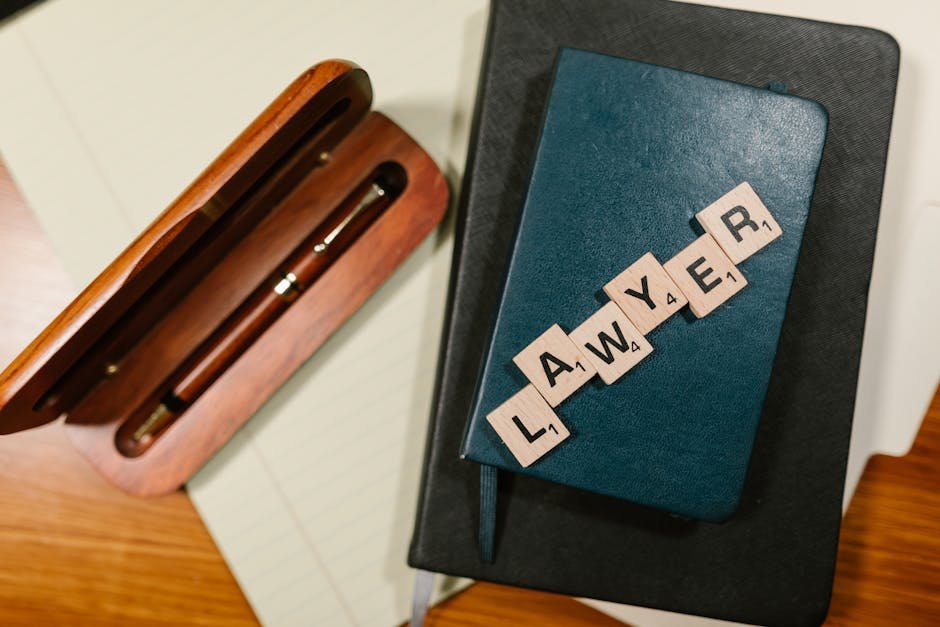


A dui lawyer can help you make sense of the first stressful hours after an arrest. You may be worried about jail time, license suspension, fines, court dates, and what happens to your job. This article explains the first steps to take, what a lawyer does, and how to protect your rights.
Key Takeaways
- Act quickly after a DUI arrest.
- Do not discuss details casually.
- License deadlines can come fast.
- A lawyer reviews evidence and procedure.
- Penalties vary by state and record.
What should you do right after a DUI arrest?
Start by staying calm, following lawful instructions, and avoiding extra statements. Ask what you are being charged with, note deadlines, and arrange legal help as soon as possible. Early action can protect your license, your court position, and your finances.
After release, write down everything you remember while it is still fresh. Include the stop, field sobriety tests, chemical testing, witness names, and anything the officer said.
Keep all paperwork in one place, including the citation, bond documents, towing details, and any notice about your license. Do not post about the arrest online, and do not guess about facts when speaking to anyone other than your attorney.
Why speed matters
Many states separate the criminal case from the driver’s license process. That means you could face a short deadline to request a hearing or challenge a suspension.
The Centers for Disease Control and Prevention reports that about 1 million drivers were arrested for driving under the influence of alcohol or narcotics in 2016. Source: cdc.gov.
When should you call a dui lawyer?
You should call a dui lawyer as soon as possible after arrest or release. Quick legal advice helps you avoid mistakes, preserve evidence, and respond to license deadlines. Waiting can limit your options before the first hearing even starts.
A lawyer can review whether the traffic stop was lawful, whether testing followed proper procedure, and whether the evidence supports the charge. That review may shape plea discussions, motion practice, or trial strategy.
This first review also helps you understand likely outcomes based on your record and the facts of the case. If you need local help, see How Legal Directories Help You Find The Right Attorney.
What a lawyer may examine
- Reason for the traffic stop
- Body camera and dash camera footage
- Breath or blood test procedures
- Field sobriety test conditions
- Prior record and charging level
According to the Bureau of Labor Statistics, lawyers held about 859,000 jobs in 2023, reflecting how common legal representation is across criminal and civil matters. Source: bls.gov.
What penalties can follow a DUI charge?
DUI penalties often include fines, license suspension, probation, classes, ignition interlock requirements, and possible jail time. The exact outcome depends on your state, blood alcohol level, prior offenses, and whether the case involved injury or property damage.
Even a first offense can bring costs that go beyond the court fine. You may face towing bills, higher insurance premiums, treatment requirements, and time away from work for hearings and classes.
This is why early legal advice matters. A dui lawyer can explain the range of penalties, challenge weak evidence, and help you understand whether diversion, reduction, or trial is realistic in your case.
Common consequences beyond court
A DUI charge can affect professional licenses, travel plans, and employer background checks. It can also create problems if your job involves driving, company vehicles, or commercial licensing.
The National Institutes of Health notes that alcohol-impaired driving remains a major public safety issue in the United States, with thousands of deaths each year tied to impaired driving crashes. Source: nih.gov.
Should you get a dui lawyer right away?
Yes, in most cases you should contact a dui lawyer as soon as possible after an arrest. Early legal help can protect your rights, help you avoid preventable mistakes, and keep you on top of deadlines that may affect your license and court case.
Time matters because the hours after an arrest often shape the rest of the case. A dui lawyer can review the stop, the arrest process, chemical testing, and whether officers followed required procedures.
Early action also helps you gather evidence before it disappears. That may include dashcam footage, surveillance video, witness details, towing records, and paperwork tied to breath or blood testing.
The Centers for Disease Control and Prevention reports that about 37 people in the United States die each day in alcohol-impaired driving crashes, which shows why DUI cases are treated seriously by courts and prosecutors. Source: CDC alcohol facts.
In practice, many people make the common mistake of waiting until their first court date to look for help, which can limit defense options and create avoidable license problems.
Can a dui lawyer help you keep your license?
A dui lawyer may help you challenge a suspension, request a hearing, or seek limited driving privileges where state law allows. The exact result depends on your state, your prior record, and whether you refused or failed chemical testing.
License issues often move on a separate track from the criminal case. That means you may face a deadline with the motor vehicle agency even before your court case really begins, so quick action matters.
A lawyer can also explain how a DUI may affect work, especially if you drive for your job or hold a commercial license. Employment data from the BLS transportation occupations overview shows how many jobs rely on legal driving status, which is why even a short suspension can hurt income.
The Bureau of Labor Statistics reported that transportation and material moving occupations employed millions of workers in the United States, underscoring how important a valid license can be for earning a living. Source: BLS occupational data.
Expert insight.
How much does a dui lawyer cost, and is it worth it?
DUI lawyer fees vary widely based on location, case complexity, prior offenses, and whether the case goes to trial. While legal representation costs money upfront, it may be worth it if it reduces long-term losses tied to fines, insurance, missed work, and license consequences.
Some lawyers charge a flat fee for a first-time misdemeanor DUI, while others bill separately for hearings, expert witnesses, or trial preparation. Ask for a written fee agreement so you understand what is included and what may cost extra.
When weighing cost, think beyond the attorney fee alone. A DUI can trigger tax, wage, and financial strain issues, and the IRS topic on wage withholding can help you understand paycheck impacts if court costs and related expenses disrupt your budget. How Much Does A Divorce Lawyer Cost On Average?
The CDC estimates that alcohol-impaired driving crashes cost the United States about $68.9 billion each year, a reminder that the financial impact of DUI-related events can be severe for both individuals and the public. Source: CDC alcohol-related costs.
How does a dui lawyer challenge chemical test evidence when the case looks strong?
A strong DUI case on paper can still have weak spots in the testing process. A skilled dui lawyer reviews the stop, the arrest timeline, device maintenance, officer training, blood draw procedures, and whether the state can prove a reliable chain of custody. Small errors can affect admissibility, suppress key evidence, or create enough doubt to improve plea options.
Breath testing is not just about the number on the printout. Your lawyer may examine calibration logs, observation periods before testing, radio frequency interference issues, mouth alcohol concerns, and whether the officer followed the required protocol from start to finish.
Blood testing can look more precise, but it creates its own issues. A dui lawyer may question storage conditions, preservatives in the vial, lab accreditation, contamination risks, delayed testing, and whether the sample handling matches accepted forensic procedures described by public health and laboratory standards.
What experienced review usually focuses on
- Whether police had legal grounds for the traffic stop
- Whether the officer had probable cause for arrest
- Whether the testing device had current maintenance records
- Whether the officer completed the required observation period
- Whether the lab can document an unbroken chain of custody
The science matters because alcohol measurement is not infallible. The National Institutes of Health publishes research showing that biological testing results can vary based on timing, handling, and human factors, which is why experienced counsel often consults records beyond the police report.
A practical example helps. If police stopped a driver at 11:30 p.m. but the blood draw happened at 1:10 a.m., a dui lawyer may explore rising blood alcohol arguments, medication interactions, and whether the prosecutor can accurately relate the later result back to the time of driving.
One useful benchmark is employment risk after an arrest and conviction. According to the Bureau of Labor Statistics, many jobs involve driving, safety-sensitive work, or licensing requirements, so even a small reduction in charges can carry real value beyond fines alone.
When is a plea deal smart, and when should a dui lawyer push the case harder?
Not every DUI case should go to trial, and not every plea offer is a good one. A strong dui lawyer compares the evidence, local court tendencies, prior record exposure, license consequences, immigration risks, and employer impact before advising whether to negotiate early or litigate aggressively. The right choice often depends on what charge reduction actually changes in real life, not just what it sounds like on paper.
Some plea deals reduce jail exposure but do little for insurance rates, background checks, or professional licensing. Others may convert a DUI to a lesser traffic offense, which can protect a commercial driver, a health care worker, or someone with a security clearance from more serious fallout.
Timing also matters. Prosecutors often evaluate a case differently after motions are filed, after body camera footage is reviewed, or after a lawyer highlights legal weaknesses. Early preparation can improve leverage, even if the case ultimately resolves without trial.
Questions that shape plea strategy
- Will the reduced charge avoid a mandatory suspension?
- Will it lower ignition interlock requirements or probation length?
- Will it help with professional licensing or immigration screening?
- Will it keep a conviction off your criminal record in that state?
Money also plays a role, but the cheapest path is not always the best one. The IRS and state agencies can impose long-term financial pressure through penalties, surcharges, and tax refund offsets in some situations, so evaluating total cost matters more than comparing legal fees alone. See IRS resources for broader federal payment and penalty guidance.
Here is a practical example. A nurse receives an offer to plead to DUI with probation and classes, but her dui lawyer spots a shaky stop and negotiates instead for reckless driving. That change may preserve licensing options and reduce reporting concerns with her employer.
One statistic frames why this decision matters. The CDC reports that alcohol-impaired driving deaths account for about 32 percent of all traffic crash deaths in the United States, which explains why prosecutors often take DUI cases seriously and why strong negotiation must be backed by concrete legal analysis. See CDC impaired driving data.
What should you ask a dui lawyer if your case involves a license, job, or long-term record issue?
If your DUI case affects more than court fines, your questions need to go deeper. A good dui lawyer should explain the difference between the criminal case and the driver’s license case, whether your job requires reporting, how background checks may display the charge, and whether any future sealing or expungement route exists. These details often matter more than the first court date.
Many people focus on the courtroom and overlook the administrative side. In many states, the DMV deadline arrives quickly, and missing it can trigger a suspension even before the criminal case finishes. Your lawyer should map both tracks from day one.
Employment consequences can vary by industry. Jobs involving driving, child care, health care, finance, or public trust may have stricter reporting rules, and some employers care about pending charges as much as convictions. A dui lawyer should tailor advice to your field, not give generic answers.
Ask these before you hire counsel
- Who handles the DMV or administrative hearing?
- What outcomes are realistic in this specific court?
- Have you handled cases involving my profession or license?
- What deadlines apply in the next 7 to 14 days?
- What record-clearing options may exist later?
Research supports the need for role-specific planning. Pew Research Center regularly reports on employment patterns, credentialing, and public attitudes that shape how screening and record visibility can affect workers across industries.
A practical example shows why this matters. A sales manager who drives to client meetings may need a lawyer who can fight both the court case and the license suspension quickly, because keeping limited driving privileges could protect income
| Option | Best For | Cost |
|---|---|---|
| Private DUI lawyer with local court experience | First-time or repeat DUI cases where license, job, or immigration issues raise the stakes | $1,500 to $7,500+ |
| Public defender | Defendants who qualify financially and cannot afford private counsel | $0 to low court-assessed fee |
| Administrative license hearing representation only | Drivers focused on stopping or reducing a license suspension quickly | $500 to $2,500 |
| Plea-focused limited scope representation | Lower-complexity cases where the goal is a faster negotiated outcome | $1,000 to $3,000 |
| Trial-ready DUI defense team | Cases involving high BAC, accidents, injuries, or prior convictions | $5,000 to $15,000+ |
Frequently Asked Questions
How much does a DUI lawyer cost in the US?
Most people pay anywhere from about $1,500 to $7,500 for a private DUI lawyer, but complex cases can cost more. Price often depends on your state, whether the case goes to trial, and whether the lawyer also handles the DMV hearing. Ask for a written fee agreement that explains flat fees, hourly charges, and extra costs.
Is it worth getting a lawyer for a first DUI?
Yes, many first-time defendants benefit from legal help because even one conviction can affect your license, insurance rates, and job options. A lawyer may review the traffic stop, breath or blood testing, and deadlines for administrative hearings. That can improve your chances of reducing penalties or protecting limited driving privileges.
Can a DUI lawyer get my DUI dismissed?
A dismissal is possible, but it depends on the facts. Lawyers look for weak points such as an unlawful stop, faulty testing procedures, chain-of-custody problems, or missing evidence. They can also challenge whether officers followed proper protocol, especially in cases involving blood draws or field sobriety tests.
What should I do right after a DUI arrest?
Write down everything you remember, keep all paperwork, and contact a lawyer fast because many states set short deadlines for license-related hearings. Do not miss court dates or DMV notices. You can also review alcohol-related safety information from the CDC alcohol fact sheets if your case may involve treatment or education requirements.
Will a DUI show up on a background check?
In many cases, yes. A DUI arrest or conviction can appear on criminal background checks, and driving-related jobs may also review motor vehicle records. How long it stays visible depends on state law, the case result, and whether sealing or expungement is available. Ask your lawyer how your record could affect employment and licensing.
Our editorial team includes legal content writers who regularly research DUI procedure, license suspension rules, and court process standards across US jurisdictions.
📖 Related Articles
Final Thoughts
If you are deciding whether to hire a dui lawyer, act on three priorities right away: protect your license deadlines, gather every document tied to the stop and arrest, and compare lawyers based on local experience, communication, and total fees.
Your next step is simple, call two or three local attorneys today, ask whether they handle both the court case and the DMV hearing, and request a written fee breakdown before you choose representation.
📚 You May Also Like


May 16, 2026